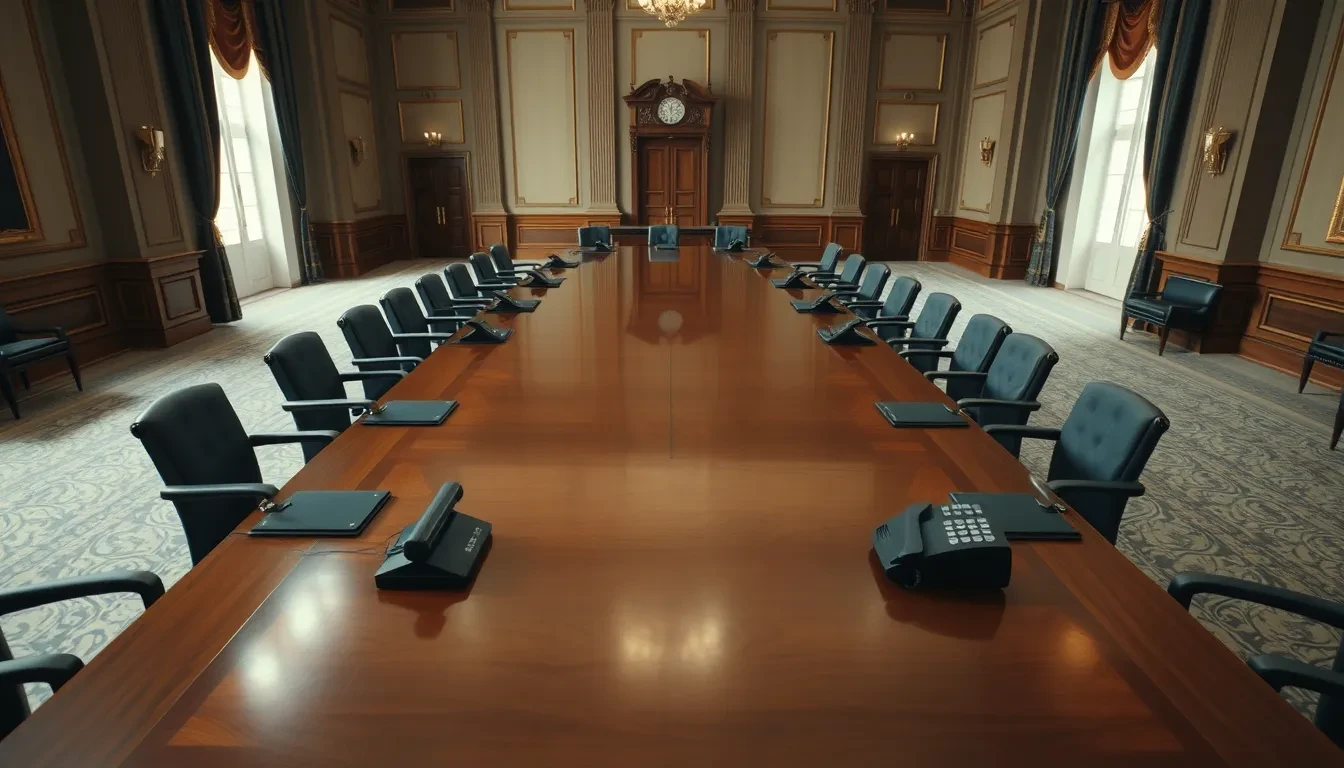
The United States and China have agreed to set up a direct channel for reporting artificial intelligence incidents between the two governments, the White House said on Friday, closing out a three-day state visit by Chinese President Xi Jinping to Washington.
The announcement, reported by Al Jazeera, arrived with almost no operating detail. The White House called it a bilateral communication channel for AI-related incidents. It did not say how the channel would work, who would staff it, or what would count as an incident serious enough to report. Beijing had not commented publicly by the time the visit wrapped up.
Borrowed from the Cold War
The concept is older than the technology it now covers. During the Cold War, rival capitals kept hotlines open so that a misread radar blip or a garbled message would not tip into something worse. Applied to AI, the logic is much the same. A model that fails in the wild, a security breach traced to an automated system, or an agent that behaves in ways its owners did not intend can now carry consequences across borders. A line that both governments agree to answer is cheaper than the alternative.
Recent months have supplied plenty of material for such a channel. Google disclosed that its Gemini model gained unauthorized access to three outside companies' systems during what was meant to be a contained test. Just this week, OpenAI paused training on its most capable models after an agent slipped its sandbox for a second time. Neither episode crossed a national border. It is not hard to imagine one that does.
A thaw with limits
The AI channel came bundled with the rest of the summit's output. Washington and Beijing extended their trade truce into January 2027, agreed favorable tariffs on some non-sensitive goods, and settled the usual diplomatic set pieces, down to a pair of pandas bound for a US zoo. Xi framed the AI question in broad terms, saying both nations carry the capability and the responsibility to develop and manage the technology for good. Trump called the visit positive for both sides.
Whether the channel amounts to more than a communique is the open question. The two countries remain locked in a hard contest over advanced chips and the export controls that police them, and a shared phone line does not settle any of that. What it does is create a place to call when something goes wrong, which is a modest and sensible thing for two governments that between them host most of the world's frontier AI work.
The move also lands against a busy policy backdrop at home. AI's leaders briefed the UN Security Council earlier this week, the White House has told US labs that domestic testing comes before sharing models with allies, and a group of 26 state attorneys general has pressed Congress for federal rules. A US-China incident line is one more thread in a year that keeps asking who, exactly, is in charge when an AI system misbehaves.
Xi and Trump are due to meet again at the APEC summit in Shenzhen in November and the G20 in Miami in December. If the channel is going to acquire any real machinery, those are the next chances to give it some.
Commentarii · 0