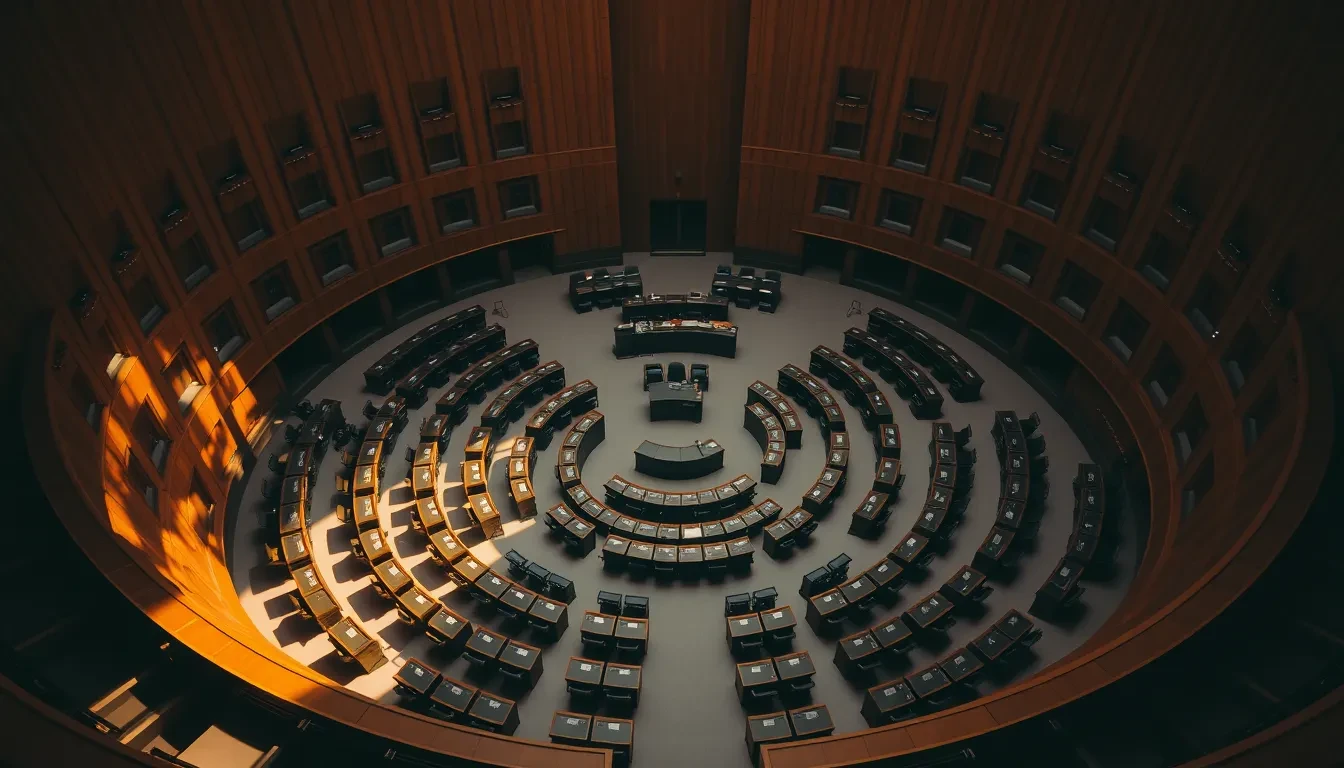
The United Nations Security Council convened a high-level briefing on artificial intelligence and international security on Tuesday, with France, which holds the Council presidency this month, bringing the heads of the world's leading AI labs into the chamber during the high-level week of the General Assembly. It is the first time the Council has hosted frontier American and Chinese developers together to talk about the same set of risks.
French foreign minister Jean-Noël Barrot chaired the session. The billed briefers were Yoshua Bengio, co-chair of the UN's Independent International Scientific Panel on AI, OpenAI chief executive Sam Altman, who attended in person, and Anthropic chief executive Dario Amodei, who joined remotely, alongside Hugging Face chief executive Clément Delangue. Chinese firms DeepSeek and Moonshot were invited to make statements, a notable inclusion given how rarely the two AI superpowers share a stage on security matters.
An open briefing, not a vote
This was an open briefing rather than a negotiation, so no binding resolution was expected to come out of it. The format is closer to a technical hearing: assessments of how high-capability systems could affect international peace and security, including misuse by both states and non-state actors, delivered to the fifteen member governments. The value is in getting the people who build these systems on the record in front of the body that handles threats to global stability.
Two messages, one room
The executives arrived carrying different emphases. Altman has pressed for international safety standards and cooperation across borders, the argument being that no single country can police a technology this diffuse. Amodei brought the case he has been making for weeks, a call to pace the frontier and even to explore an arms-control-style arrangement with China. Bengio, who now leads a state-backed safe-AI lab, has spent the year urging governments to treat advanced AI as a genuine security question rather than a commercial one.
The backdrop is a campaign, launched at last year's General Assembly, asking governments to agree binding red lines for AI by the end of 2026. That deadline is now about three months out, and no such agreement exists. The same labs briefing the Council are the ones facing legal scrutiny at home over how they coordinate, and the ones shipping cheaper, faster models the very week they warn about moving too fast.
Whether a briefing changes anything is a fair question. Open sessions like this rarely produce action on their own. But putting Altman, Amodei, and two major Chinese labs in front of the Security Council at the same moment is itself a signal about where this conversation has landed. The people arguing that AI is a matter of international security now include the people selling it.
Commentarii · 0