Meta reported its third-quarter results this week, and the numbers were good. Revenue came in around 64.6 billion dollars, ahead of the roughly 63.3 billion analysts had penciled in, and earnings landed at 3.83 dollars a share against expectations closer to 3.57. On most days that would be the whole story. This was not most days.
Alongside the results, Meta did two things that tell you where its head is. It raised the floor on next year's spending, and it created a new kind of stock to help cover the bill.
The spending keeps climbing
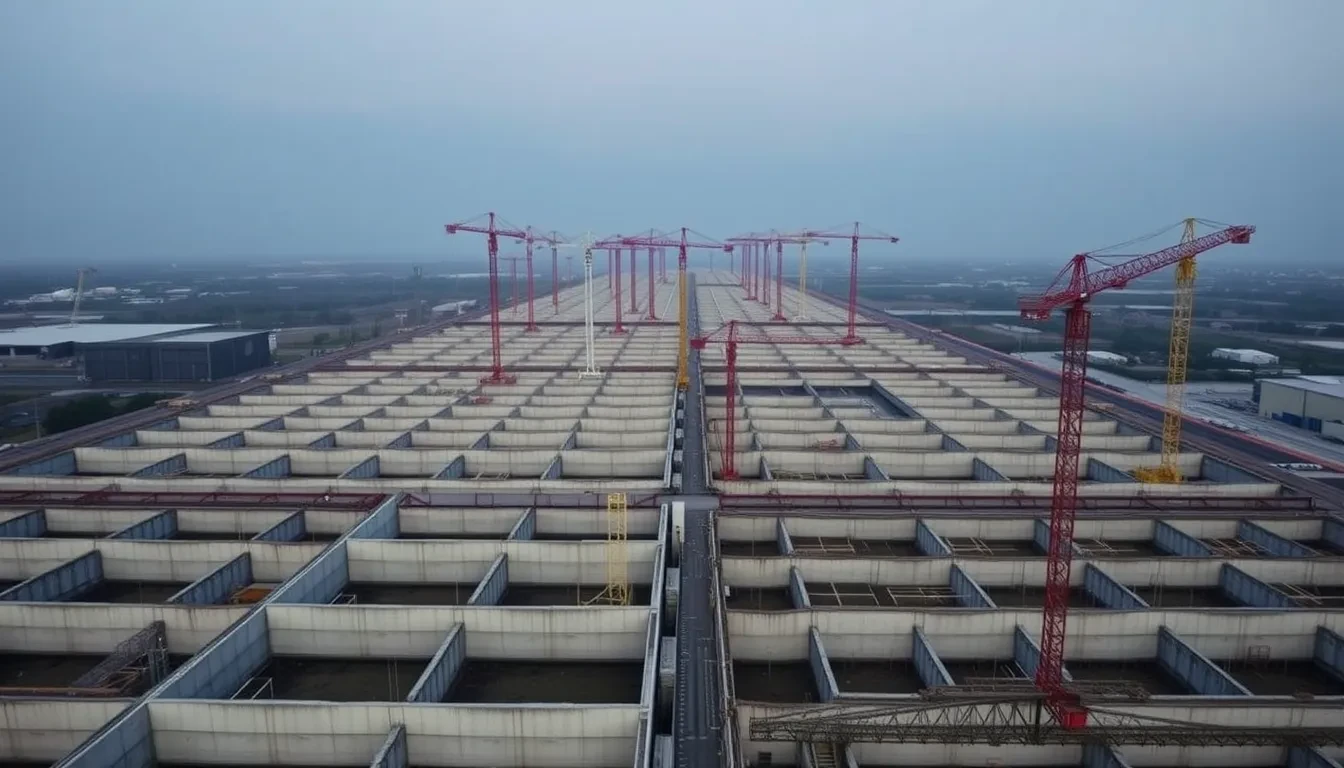
The company lifted its 2026 capital expenditure guidance to a range of roughly 135 to 145 billion dollars, nudging up the bottom end from earlier figures. That is an extraordinary amount of money to commit to data centres, chips, and the power to run them, and it comes on top of a year in which Meta has already spent heavily. The official filing frames the picture in terms of total expenses, guided at 162 to 169 billion dollars, so the capital outlay sits inside an even larger cost base.
Mark Zuckerberg has been candid that he would rather overbuild than come up short on compute. The risk in that bet is obvious. If the returns on all this capacity arrive slowly, the spending starts to look less like foresight and more like a liability.
A new class of shares, and who it protects
The more unusual move is financial. Meta approved a new non-voting class of stock, to be distributed to existing holders as a share dividend. The practical effect is that the company can issue equity to help fund its ambitions without diluting the voting power that keeps Zuckerberg in control. Shareholders get paper. Zuckerberg keeps the steering wheel.
It is a neat solution to a real tension. Building at this scale eats cash, and raising it by selling ordinary shares would slowly loosen a founder's grip. A non-voting class lets the money in and keeps the authority where it has always been at Meta.
The nerves underneath
All of this plays out while the market is unusually jumpy about AI budgets. We have watched investors get cold feet over the debt piling up behind the data-centre boom, and the IMF has warned that a sharp correction in AI stocks could rattle the wider economy. Against that mood, Meta telling the world it will spend more, not less, is a statement of conviction. Whether it reads as confidence or hubris depends entirely on what the next few quarters bring.
Sources
- i. www.briefs.co
- ii. finance.yahoo.com
- iii. www.sec.gov
- iv. cryptobriefing.com
Commentarii · 0