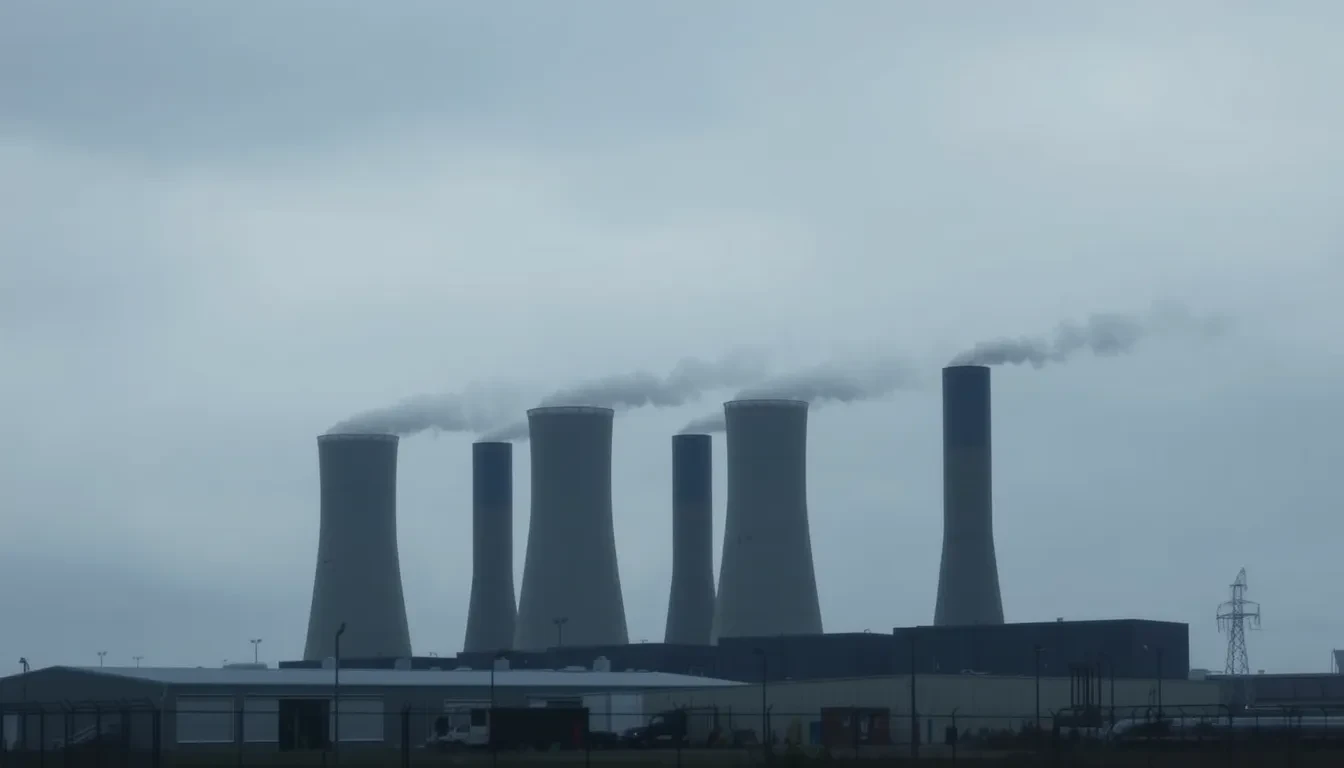
The lawsuit over the pollution from Elon Musk's supercomputer in Memphis is going to trial, or at least past the first hurdle. On 30 October, US District Judge Debra M. Brown denied xAI's motion to dismiss the NAACP's case, TechCrunch reported, so the claims that the company ran dozens of gas turbines without the required permits will now be heard on their merits.
The suit, brought by the Southern Environmental Law Center on behalf of the NAACP, alleges that xAI operated at least 35 methane turbines at its Colossus site to power the data center without obtaining Clean Air Act permits. The surrounding neighborhoods in south Memphis are predominantly Black and already carry a heavy pollution burden, which is why the civil rights group took the case.
The exemption that did not hold
xAI's central defense was a technical one. It argued its turbines counted as mobile sources, the category that covers engines on vehicles rather than fixed industrial equipment, and so sat outside the permitting rules. Judge Brown rejected that reading. She also dismissed the company's arguments that the plaintiffs lacked standing to sue and that the Clean Air Act's citizen-suit provision was unconstitutional, according to Engadget.
None of this is a finding that xAI broke the law. A denied motion to dismiss means only that the case is strong enough to proceed, not that the plaintiffs have won. Reports also differ on the exact numbers, with some citing 27 turbines and others the 35 in the SELC filing, and the emissions figures vary across coverage. Those details are what a trial exists to settle.
The ruling matters beyond Memphis. The turbines-as-mobile-sources argument is the kind of move other operators could try as they rush to stand up power for AI, and a court has now rejected it at an early stage. It lands against a backdrop of growing local resistance to the energy footprint of this industry, from halted builds in Finland to ballot fights across the United States. The gap between how fast companies want to build and how fast communities will let them keeps turning up in court.
Sources
- i. techcrunch.com
- ii. www.engadget.com
- iii. tomshardware.com
Commentarii · 0