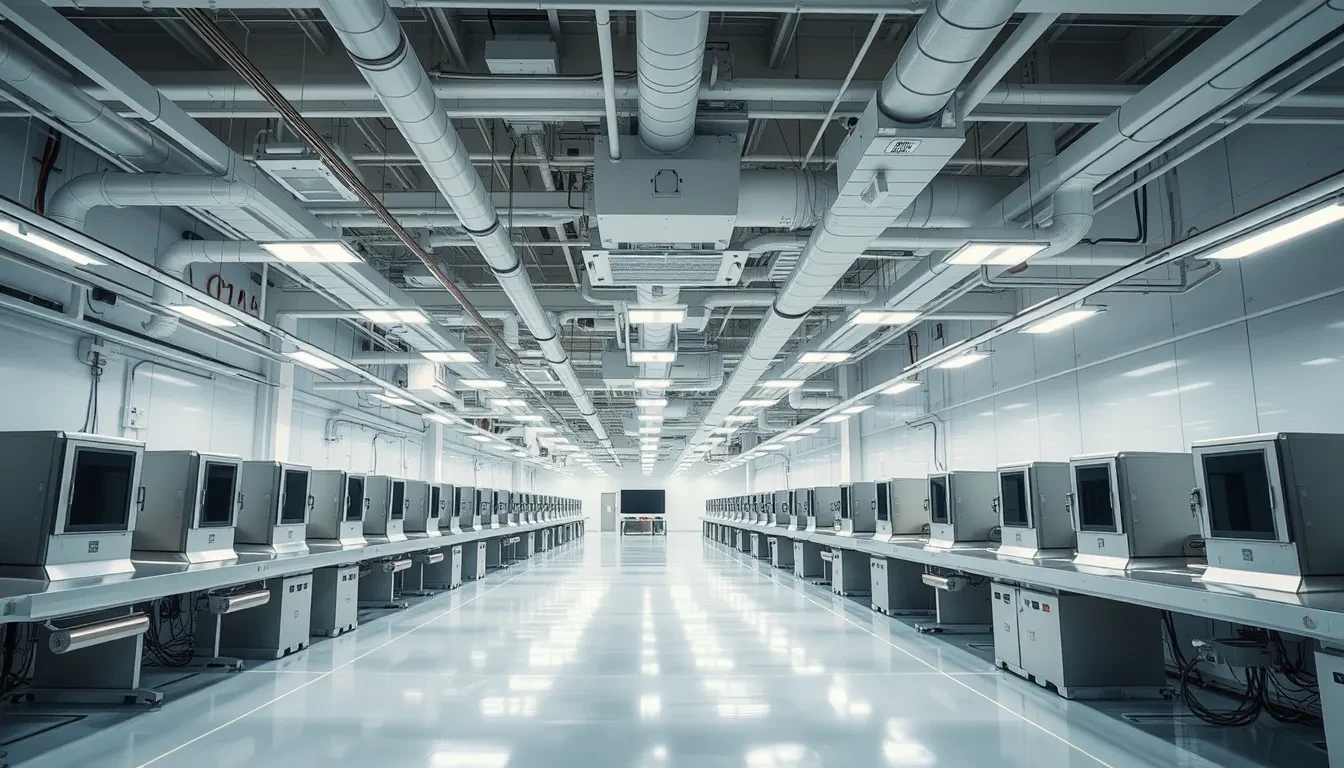
The memory chips inside the world's AI servers are made, in large part, on the island of Taiwan, and the people who make them would like a bigger share of what the boom is worth. This week workers at Micron's plant in Taoyuan moved toward a strike, after two rounds of mediation with the American chipmaker ended without a deal.
Micron is one of three companies that dominate the market for memory, and Taiwan is central to its production of DRAM and the high-bandwidth memory, or HBM, that sits beside the processors in AI data centres. That makes the Taoyuan union's leverage real. A stoppage there would land on a supply chain that is already tight, at a moment when every large AI operator is competing for the same scarce parts.
The dispute is about how the windfall gets divided. For the current fiscal year the union has asked for a one-off bonus worth around 83 months of salary per Taiwan-based employee. From the next fiscal year it wants Micron to scrap its existing incentive scheme and replace it with a fixed formula, 15 percent of operating profit, paid out every quarter rather than once a year. The company has not agreed, and when the strike preparations became public its shares slipped.
The workers want their cut
Behind the specific numbers is a straightforward argument. Memory prices have climbed as AI demand has outrun supply, and the firms that make the chips are posting the kind of profits that climb with them. The people on the production lines in Taoyuan have noticed, and they are asking why the operating-profit share that flows to the company should not also flow, in a defined way, to them.
Surveys of union members showed strong support for action well before the vote, with about four in five backing a walkout, and the union has pressed its profit-sharing demand through months of failed talks. Micron, for its part, has to weigh a generous settlement at one site against the precedent it sets across a global workforce.
The wider point is that the AI supply chain is not only silicon and electricity. It runs on labour in a handful of places, and that labour has started to price its own importance. The same demand that is pushing up the cost of memory in ordinary phones is now showing up as a bargaining chip on a factory floor in Taiwan. No strike has begun. But the threat alone is a reminder that the boom has dependencies its biggest players do not control.
Sources
- i. www.thestar.com.my
- ii. www.guru3d.com
- iii. parameter.io
- iv. focustaiwan.tw
Commentarii · 0