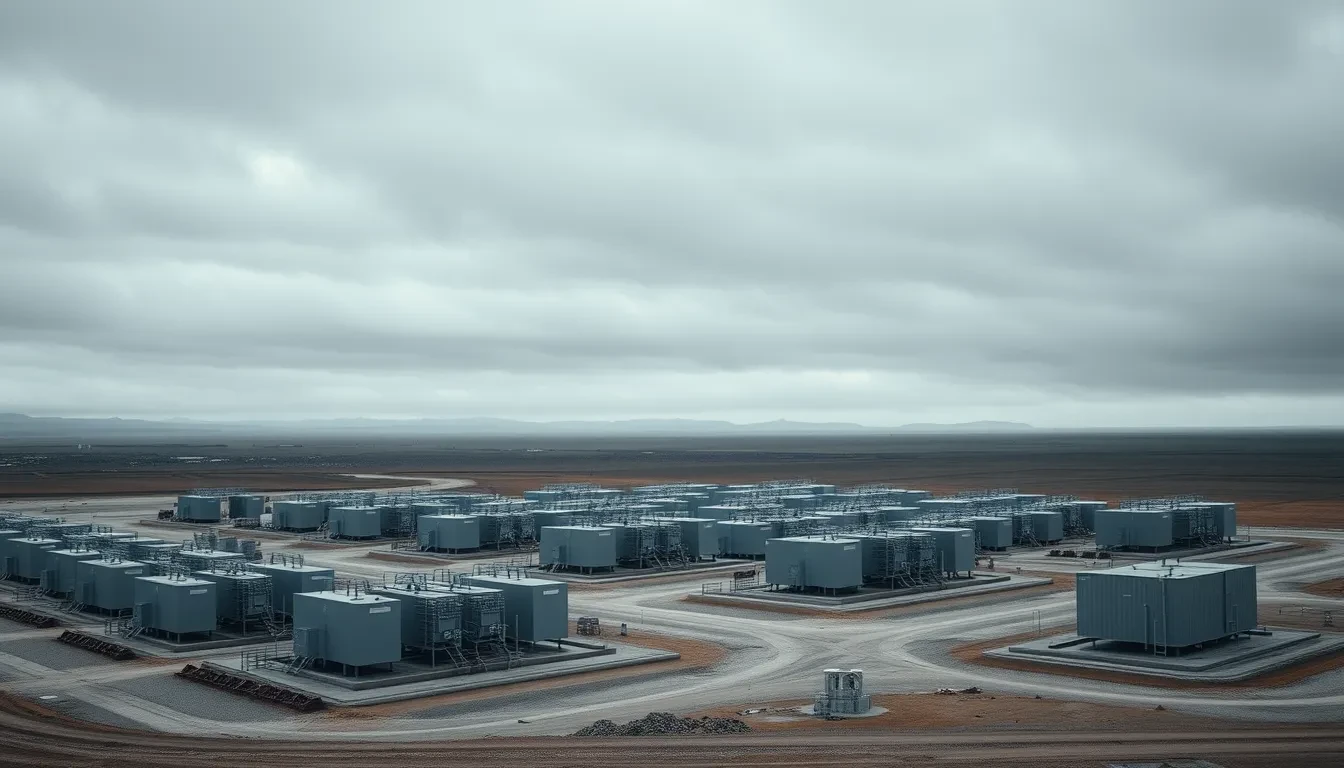
Google will spend about $17 billion to build its first data centre in Wyoming, a sprawling campus near Cheyenne that the company has nicknamed Project Tembo. What makes the project unusual is not the price tag, large as it is, but how Google plans to power it. Rather than lean on the regional grid, the campus will draw from a dedicated 702-megawatt fuel-cell plant that burns natural gas and captures most of the carbon dioxide it produces.
Google laid out the plan in a post on its company blog on 6 November. The fuel cells will be supplied by Bloom Energy and contracted through American Electric Power. The captured CO2 is to be piped to a sequestration hub run by Tallgrass Energy in eastern Wyoming and stored underground. Commercial operation of the first power phase is targeted for late 2028.
Paying its own way
The structure reads as a direct response to a year of mounting anger over what data centres do to local power bills. Across the country, voters have been rejecting new data-centre projects at the ballot box, often on the argument that residents end up subsidising the grid upgrades that big campuses require. Google has tried to head that off here by committing to pay the full cost of the site's direct power use and of any grid work it triggers. The company also says the facility will be air-cooled, sidestepping the water fights that have dogged other projects.
The carbon-capture angle is the part worth watching. Natural gas with capture is cleaner than gas alone, but it is not zero. Reporting on the project notes the system is designed to trap a large majority of emissions, not all of them, and the technology has a patchy record at scale. Pairing a gas plant with a promise to bury its carbon is a bet that the capture will work as advertised.
How big, exactly
Google was careful about what it did and did not confirm. The blog post gave the $17 billion figure and the power arrangement but no campus size or completion date. Earlier site-plan reporting described a 716-acre property eventually scaling to 2.7 gigawatts, with some accounts pointing to a longer-term ceiling of 10 gigawatts. Those numbers come from planning documents rather than Google, so they are better read as the ambition than the commitment.
Investors were not uniformly impressed. Bloom Energy, which might have been expected to rally on a marquee order, fell more than 14 percent, and Alphabet slipped about 2 percent. The reaction captures the mood of the moment. Even a $17 billion vote of confidence in AI infrastructure now gets read through the lens of whether the spending will ever pay off.
Sources
- i. blog.google
- ii. finance.yahoo.com
- iii. interestingengineering.com
- iv. carbonherald.com
Commentarii · 0