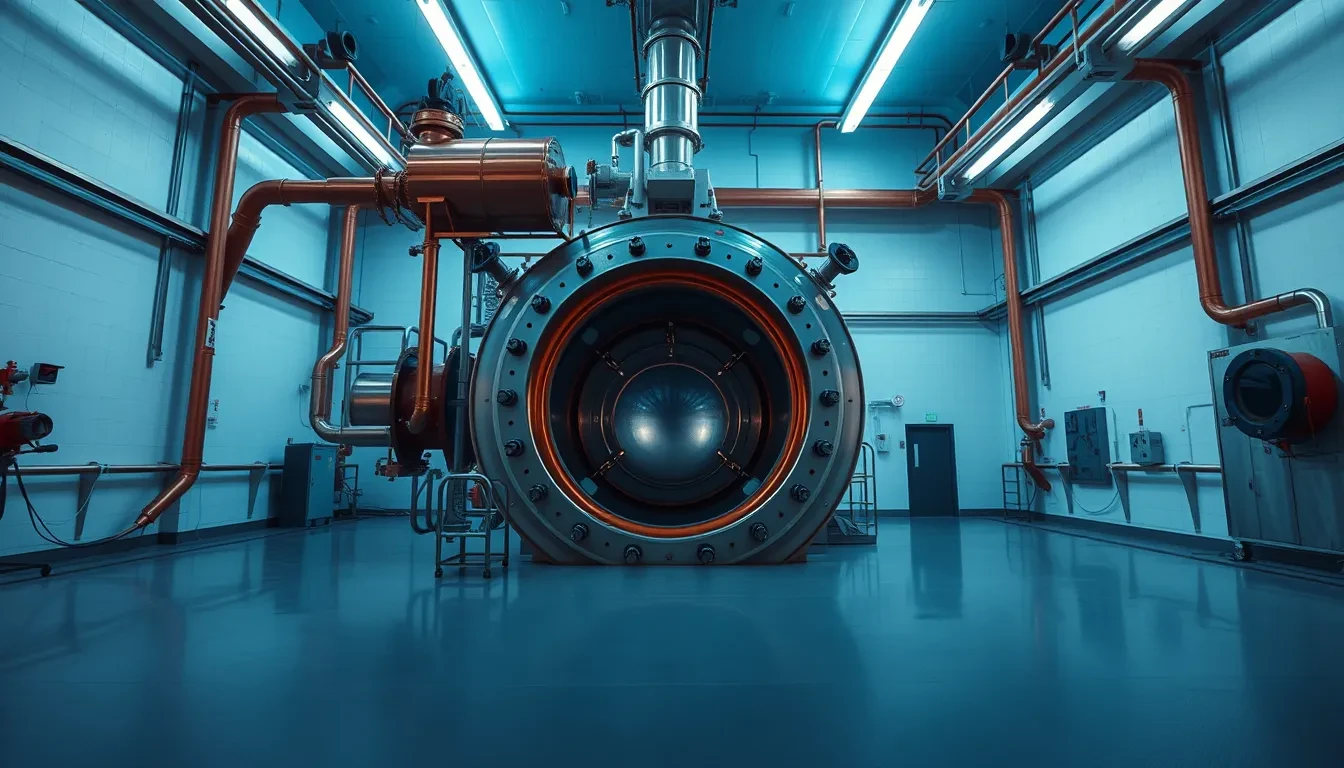
The United States Commerce Department has agreed to put public money into the chips that will feed the AI boom, and to take a piece of the companies making them in return. On Wednesday it signed letters of intent for up to $389 million in CHIPS research awards to four firms, with the government holding a minority stake in each as a condition of the deal.
The largest award, up to $175 million, goes to Helion, the fusion start-up, to develop high-voltage semiconductors and power modules. Commonwealth Fusion Systems would receive up to $85 million for electronics used in plasma heating, diagnostics and radiation-hardened settings. Vertical Semiconductor is in line for $73 million to work on vertical gallium-nitride power chips, with a stated goal of demonstrating a 2.5-megawatt rack for AI data centres. Sibelco, a materials supplier, would get $56 million toward high-purity quartz.
Equity as a condition
What makes the package notable is the structure. According to Helion's own account and reporting from Converge Digest, Commerce will receive a minority, non-controlling, non-voting equity stake in all four companies. For Helion the stake is pegged to its most recent Series G preferred-stock valuation. The money comes from the roughly $10 billion semiconductor research fund that Congress approved in 2022.
Taking equity for a grant is a change in how Washington funds industrial policy, and it blurs the usual line between a subsidy and an investment. The awards are not final, and each still needs a completed agreement before any money moves.
Chips for the AI grid
The through-line is power. Training and running large models draws enormous current, and the equipment that converts and delivers that power has become its own bottleneck. Helion's work is expected to add more than a hundred jobs in Everett, Washington, and the company is pairing the federal money with private investment for a stated total of $225 million.
The deals land in a stretch of heavy government involvement in the chip supply chain, from sanctions over trade-secret theft to the export controls that reshaped what Nvidia can sell to China, even as Chinese buyers place multi-billion-dollar orders of their own. Washington is trying to keep the hardest parts of that chain at home, and it is now willing to own a slice of the firms it backs.
Sources
- i. www.helionenergy.com
- ii. convergedigest.com
- iii. www.geekwire.com
Commentarii · 0