Cerebras Systems priced its initial public offering at $185 a share on Tuesday evening, $25 above the top of its previously marketed range, then opened on the New York Stock Exchange near $350 a share the next morning. The deal raised roughly $5.55 billion, gives the AI-chip maker a fully diluted valuation of about $56.4 billion, and was, by all accounts, the kind of IPO that public markets do not see often.
The shape of demand told the story. As IPOScoop reported, the offering was oversubscribed by more than twenty times. Two weeks ago, Cerebras was planning to sell 28 million shares at $115 to $125 each. By Monday the range had been raised to $150 to $160. By Tuesday it printed at $185. The book moved up that quickly because demand kept widening every time the bankers tried to anchor a price.
What Cerebras actually sells
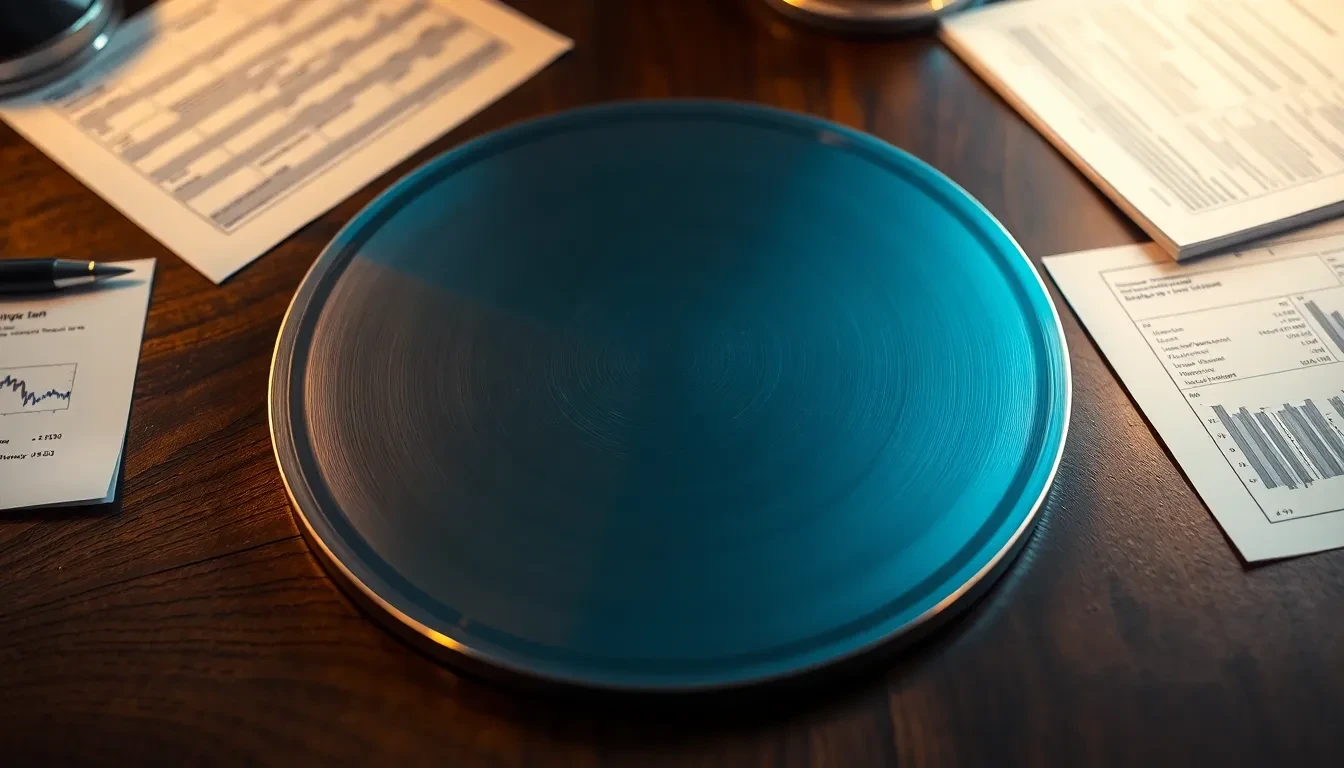
Cerebras is best known for the wafer-scale engine, a single chip roughly the size of a dinner plate that places hundreds of thousands of cores on one slab of silicon. The bet is that for the largest AI models, especially during training, it is more efficient to have one enormous chip than thousands of smaller ones wired together. The pitch competes directly with Nvidia's GPU clusters, though in practice the customers Cerebras has signed up so far are split between cloud inference providers and government labs.
According to CNBC, the filings show fast revenue growth, with most of it concentrated among a handful of customers. That concentration is the usual caveat with hardware IPOs: a single contract renegotiation can dent a quarter.
The signal for the rest of the year
Wall Street read the pricing as the opening shot of a busy run of AI listings, as Motley Fool noted. At least a dozen AI-adjacent companies have public filings ready, and bankers have been waiting for a clean print to validate the appetite. Cerebras gave them one.
For Cerebras itself the new capital matters less for operations than for what it signals to customers. The company is now publicly accountable, has fresh balance-sheet headroom for its planned data-center deployments, and can use shares as currency for acquisitions in an increasingly crowded silicon space. As Bloomberg reported, Cerebras had been weighing the listing since 2024, when an earlier attempt was paused by regulatory issues.
The harder question
The harder question is whether public-market investors are buying the next Nvidia or the next Sun Microsystems. AI chip demand is famously cyclical, and Cerebras is competing not only with Nvidia but with Google's TPUs, AWS Trainium, and a long bench of well-funded startups including Groq, SambaNova, and Tenstorrent. A book that is oversubscribed twentyfold is a great place to start. It is not the same as a durable business.
Either way, the bell rang on Wall Street louder than usual on Wednesday. AI hardware now has a fresh benchmark.
Sources
- i. www.cnbc.com
- ii. www.bloomberg.com
- iii. www.iposcoop.com
- iv. nai500.com
- v. www.fool.com
Commentarii · 0