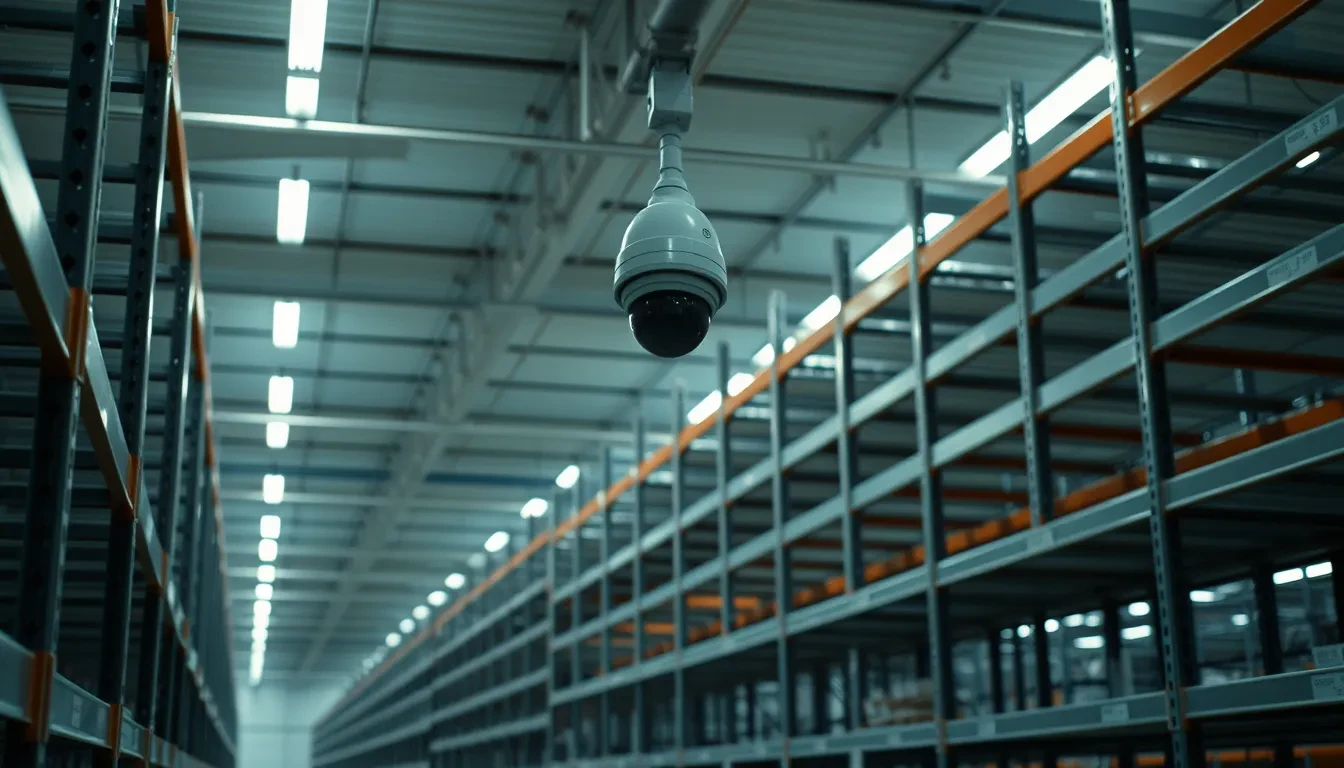
Internal Amazon documents made public through a Canadian labour case describe a tool called Atlas that estimates how likely the staff at a given warehouse are to unionise. The reporting, published on 16 October by openDemocracy and corroborated by Computer Weekly and the union GMB, lands in the middle of long-running organising fights at Amazon sites in Britain, Canada and the United States.
How the scoring works
According to the documents, which appear to be training material for Amazon managers in Canada, Atlas gives each warehouse a number between 100 and 900. A lower score means a higher chance that workers will organise or take disruptive action, and the material tells managers that a higher score is better for leadership. Sites are sorted into five tiers, from Tier 5, meaning no immediate perceived risk, up to Tier 1, where activity is treated as imminent.
The tool draws on what the documents call hundreds of data points. Those reportedly include posts on Reddit, employees' answers to internal feedback surveys, broader workplace information and any history of industrial action. openDemocracy reports that sixteen warehouses across the three countries sit in the top-risk Tier 1, two of them in the UK: a robotic fulfilment centre in Sutton Coldfield and a site near Coventry that has been a focus of GMB's recognition campaign.
Amazon's answer, and the legal backdrop
Amazon disputes the surveillance framing. The company says Atlas works at the level of a site or building rather than tracking individuals, that it does not record workers' opinions, affiliations or union membership, and that the point is to understand where staff need more support. It also told openDemocracy that Atlas is not currently used in the UK, while declining to say whether a similarly built system runs there under another name.
The documents surfaced in a dispute between Amazon and the Canadian union Unifor, in which the British Columbia Labour Board found the company had broken several local labour laws. None of those findings was specifically about Atlas. The tool's existence still cuts against Amazon's past statements that it does not try to discourage unionising. As Michael Newman of the law firm Leigh Day put it, the documents tell a very different story. Europe has been here before in a narrower way: France's data regulator fined Amazon 32 million euros in 2022 for monitoring warehouse staff so closely that an alert fired after a worker paused for as little as a minute.
Predictive scoring of this kind is becoming a quiet part of how large employers run their workforces, which is why the story matters beyond Amazon. It also sits alongside a broader argument about how much AI is actually reshaping work versus how much it is being used to manage the people already doing it.
Commentarii · 0