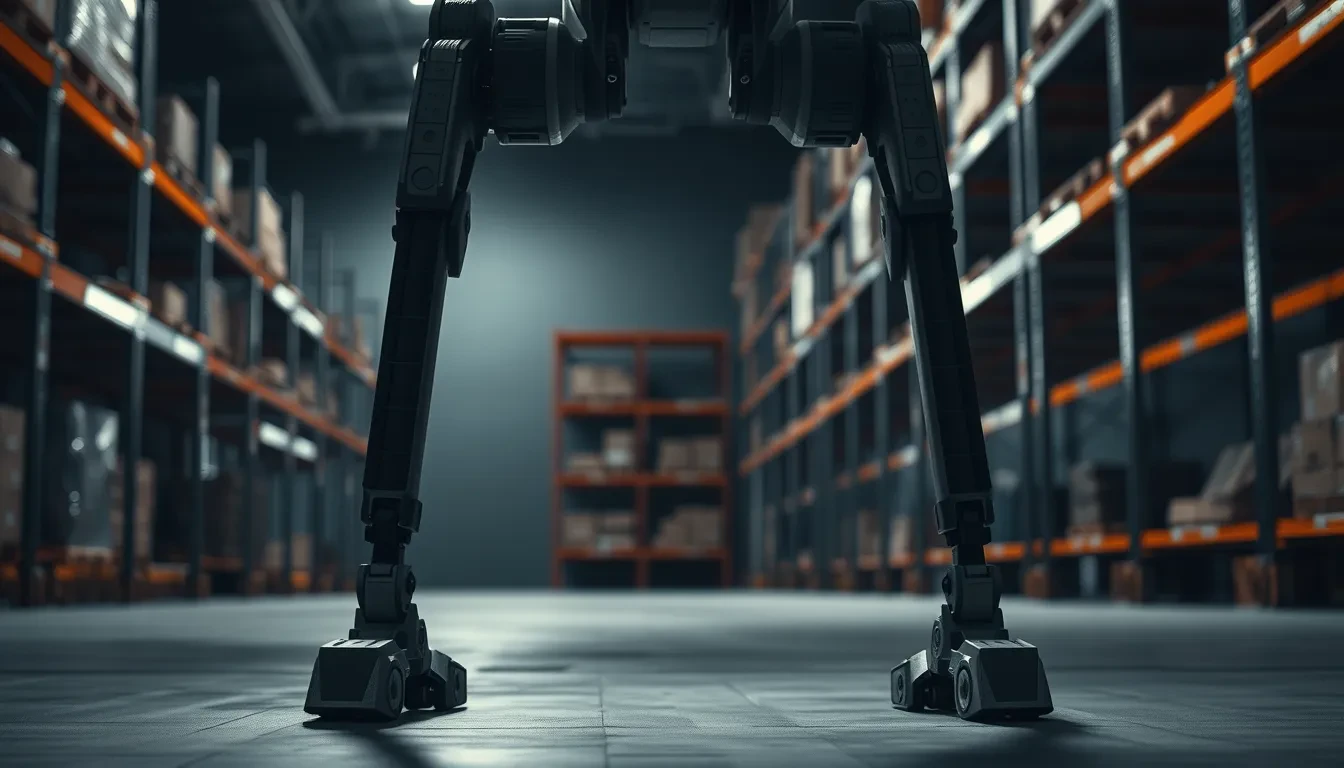
Agility Robotics, the Oregon company behind the two-legged warehouse robot called Digit, is about to become one of the few pure-play humanoid firms trading on a public exchange. It will get there not through a traditional listing but by merging with Churchill Capital Corp XI, a blank-check company, in a deal that assigns Agility a pre-money equity value of $2.5 billion.
The headline number has held since the merger was first announced in June. The cash behind it has not. According to the company's announcement filed with regulators, Agility now expects gross proceeds of about $465 million, down from the roughly $620 million floated earlier. The gap comes from investors in the shell company choosing to redeem their shares for cash rather than roll them into the combined business, a common fate for SPAC deals once sentiment cools.
What is left in the pot
The $465 million breaks down into about $164 million still sitting in Churchill's trust account, roughly $201 million from a private placement led by the manufacturing giant Foxconn, and $100 million in equity the company has already banked. Churchill shareholders are set to vote on November 2. If they approve, the merger is expected to close on November 4, and the combined company would begin trading on Nasdaq under the ticker AGLT on November 5, per GeekWire.
A bet on robots that walk
Agility has spent years positioning Digit as a robot built for human spaces, able to step over a cable or climb a short stair where a wheeled machine would stall. It has run pilots moving totes in logistics facilities, and it counts Amazon and Nvidia among its earlier backers. The company raised a $400 million funding round in 2025 before turning to the public markets.
Going public now is a statement of confidence and of need. Humanoid robots are expensive to build and slow to earn their keep, and a listing gives Agility a currency and a balance sheet to keep going while rivals from Tesla to a crowd of Chinese manufacturers press into the same market. It also exposes the company to a quarterly scorecard that private robotics firms have been able to avoid. Demonstrations of a robot carrying a box are easy to admire. Showing a profit from them is the harder act, and public investors tend to lose patience faster than venture backers do.
For readers following the money moving into physical AI, the Agility listing sits alongside other recent bets on machines that act in the world rather than just answer questions, from software firms staking their future on robotics to the chipmakers supplying the brains. The difference is that Agility now has to make the case one earnings call at a time.
Sources
- i. www.sec.gov
- ii. www.geekwire.com
- iii. cryptobriefing.com
Commentarii · 0